
LinkedIn Conversions API
How Business Supplies and Equipment Companies Use Frequency Capping to Maximize LinkedIn Ads ROI
Stop wasting your LinkedIn ad budget on low-intent leads. Business supplies and equipment companies need smarter targeting to connect with procurement managers, operations teams, and decision-makers who rely on your products.

You are running LinkedIn ads for your business supplies and equipment company, aiming to capture the attention of procurement managers, facility managers, and key decision-makers. Some accounts have already shown buying intent—they’ve visited your website, downloaded product catalogs, or requested a quote. But instead of targeting these high-value prospects, your ads scatter randomly across your audience. High-value accounts might not see your ads enough, while low-intent leads drain your budget.The result?Wasted ad spend.Declining engagement.Missed opportunities to secure new contracts.But there’s a solution: frequency capping, a strategy that prioritizes high-value accounts and maximizes your ad budget. By setting limits on how often accounts see your ads, you can focus on those most likely to convert. This strategy is especially useful for business supplies and equipment companies targeting enterprises and procurement teams.
What Is Frequency Capping in LinkedIn Ads for Business Supplies and Equipment?
Why Frequency Capping Matters for Business Supplies and Equipment Companies
50+ Software and Technology Companies maximize LinkedIn Ads ROI with Factors






How Frequency Capping Helps Business Supplies and Equipment Companies Target High-Intent Accounts
Engage Procurement Teams with Precision
Focus Budget on Decision-Ready Accounts
Nurture Long-Term Client Relationships

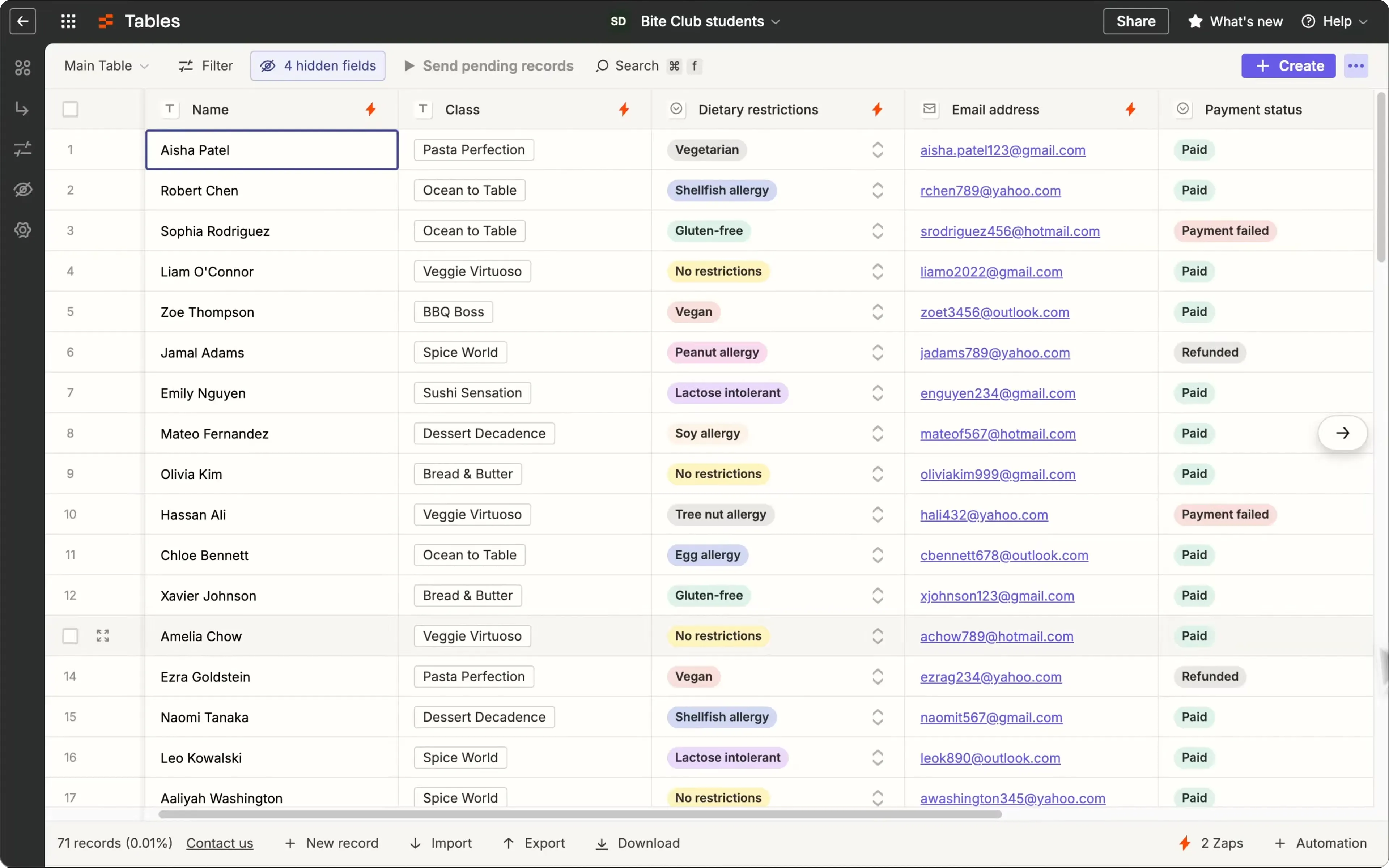
SmartReach: The Solution for Business Supplies and Equipment Companies
.avif)
How Frequency Capping Helps Tech Companies Target High-Intent Accounts
Prioritize accounts showing strong buying signals, like recent visits to your demo page or pricing section.
Adjust impression limits based on audience segments, ensuring high-intent accounts see your ads at the right frequency.
Evenly distribute impressions across your target list to avoid oversaturating a small subset of accounts.
Reduce wasted impressions and stretch your budget by focusing on accounts most likely to convert.
LinkedIn budgets can scale very quickly — and if you’re unsure you’re reaching the right people, you’re essentially setting your money on fire. With Smart Reach, we’ve been able to reach the largest spread of accounts visiting our website without putting too much undue weightage on larger accounts.

Abhishek Iyer
Director of Marketing at Descope




Steve Colberg, Head of Growth


Aashima Lamba, Senior Manager Demand Generation
.svg)

Shane Poyar, Growth Marketing and Operations Manager
Precision targeting isn’t optional for business supplies and equipment companies. SmartReach helps you connect with procurement managers and decision-makers ready to invest, ensuring your budget delivers real ROI.

Secure & Scalable
Your data is in safe hands. Rest assured, data security and privacy compliance is a top priority. Factors is SOC 2 type II certified. We’re also GDPR, CCPA, and PECR compliant.
GDPR Compliant

ISO 27001
SOCII Type 2

.svg)



.avif)

